The world is going green, and clean energy isn’t just a trend anymore; it’s becoming the norm.
And industries? They’re not sitting back. They’re actively finding smarter ways to use less energy, cut costs, and reduce their carbon footprint. The solution? It’s power electronics.
In every application of renewable energy systems, power electronics in clean energy play a crucial role by making systems more efficient, reliable, and smarter. In this guide, we will discuss how.
Let’s explore!
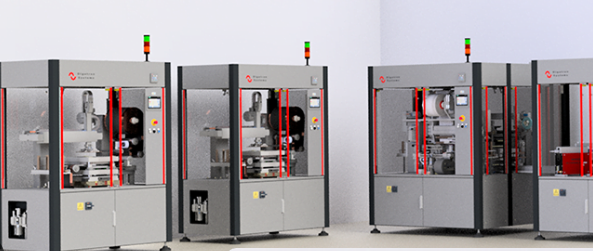
Offers high efficiency
Electricity from renewable energy sources cannot be used directly. That’s where power electronics comes in.
They convert the energy into usable form through:
They convert the energy into usable form through:
- Advanced converters
- Inverters
- Rectifiers
Ensuring efficient, clean renewable energy and making power electronics a foundational element of the global energy transition.
Improving energy efficiency in industrial operations
Who are the largest consumers of energy? Industries, so?
And even a tiny boost in efficiency improvement can lead to significant savings. This is why power electronics are a must-have for optimising energy usage and reducing energy losses.
Here are some examples of power electronics and how they help in improving efficiency:
- VFDs adjust motor speed in response to demand, reducing excess energy consumption.
- Advanced rectifiers and converters improve efficiency in high-power applications.
This is how integrating power electronics in clean energy can lower operational costs and emissions.
Supporting electrification and EV infrastructure
The rise of electric vehicles has increased demand for fast and stable EV charging systems. That’s where power electronics make a difference; they are involved in:
- Managing battery charging
- Energy distribution
- Motor control
With the world shifting to EVs, power electronics in clean energy is gaining utmost importance for building a reliable and scalable EV infrastructure.
Enhancing grid stability and energy storage
Do you know, variability is the biggest challenge that renewable energy plants face? Solar and wind power are not constant, but power electronics help stabilise the grid by:
- Managing fluctuations
- Balancing loads
- Integrating energy storage systems
In this way, power electronics in clean energy play an important role by maintaining a steady energy supply.
Enabling smart and connected energy systems
Today, power electronics offer:
- Integration with IoT platforms
- Enable real-time monitoring
- Predictive maintenance
- Remote control
This improves efficiency and supports data-driven decisions.
FAQs
Why is power electronics crucial for clean energy?
Power electronics converts renewable energy into a functional state by converting, controlling, and optimizing it.
What are the applications of power electronics?
Power electronics are used in:
- Solar inverters
- EV chargers
- Battery storage systems
- Industrial drives
- Emission control systems
What is the role of power electronics in sustainability?
Power electronics support sustainability by:
- Improving efficiency
- Reducing waste
- Enabling renewable energy integration
- Lowering carbon emissions
Final thoughts….
As the world moves towards clean energy, power electronics are becoming increasingly important. It offers:
- Renewable energy integration
- Improved industrial efficiency
- Supporting electrification
As industries and governments continue to invest in sustainable growth, power electronics will remain a key driver of an efficient, reliable, and environmentally friendly energy ecosystem.
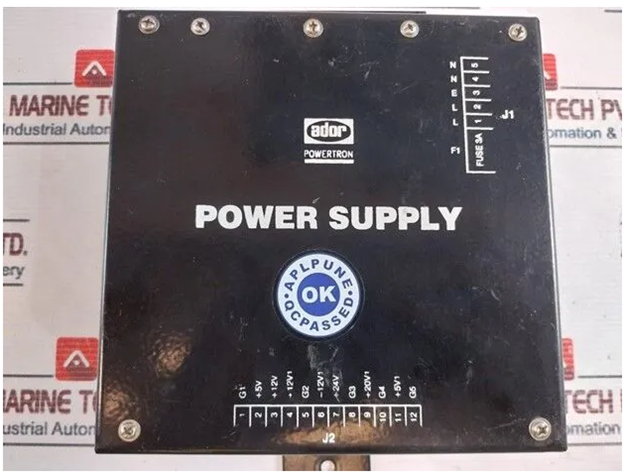
Are you looking for solutions that help you stay efficient, sustainable, and future-ready? Ador Powertron has got you. We offer smart power systems that are designed to improve your energy efficiency, integrate clean energy systems, and modernise your industrial operations.