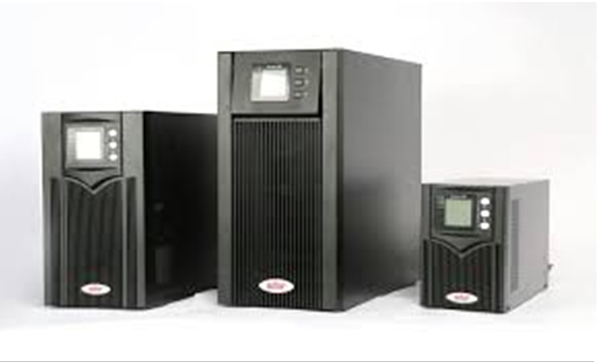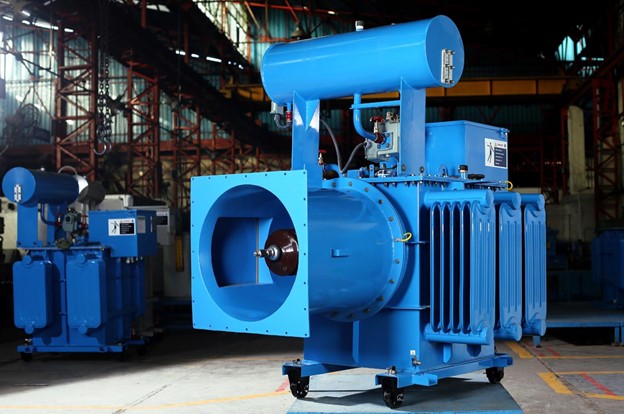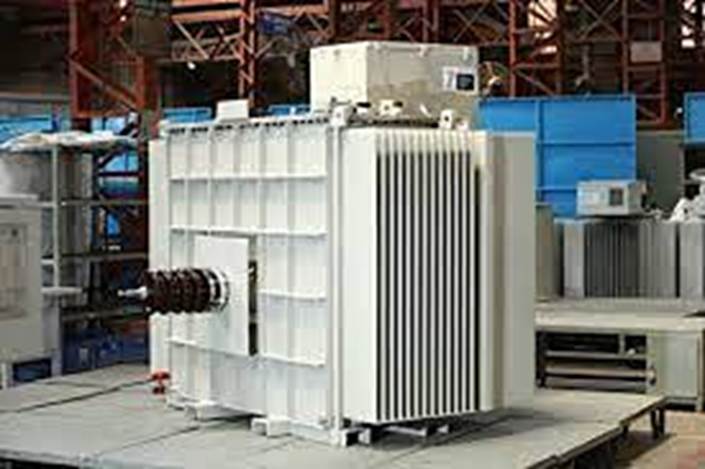
So, the power electronics industry demands higher efficiency, smarter controls, and lower emissions with industry undergoing significant transformation. Today’s power systems are not just about hardware; they are becoming more intelligent, connected, and adaptive. This innovation has changed the ways energy is converted, controlled, and consumed.
In this article, let us examine how several developments are standing out as defining power electronics trends in 2026. Let’s have a look at what engineers, manufacturers, and decision makers should be watching closely.
1. AI-Driven Power Electronics for Smarter Decision-Making
In 2026, AI is becoming the backbone of modern power systems. Today, AI is no longer limited to monitoring and active control; it’s moving beyond that. Power converters, inverters, and rectifiers are using artificial intelligence to optimize switching behaviour, detect faults early, and adjust performance in real time.
AI learns from operational data, helps predict failures, and automatically fine tunes parameters for maximum efficiency. This shift is redefining power electronics trends 2026, especially in industrial automation and emission control, where uptime and precision are critical.
2. Widespread Adoption of IoT-Enabled Power Systems Connectivity – Necessity
IoT driven power electronics deliver real time communication between power devices, control systems, and cloud platforms. In 2026, more power equipment will be designed with built in connectivity for remote monitoring, diagnostics, and performance analytics.
This trend enables predictive maintenance, faster troubleshooting, and better asset utilization. From substations to industrial power supplies, IoT integration is becoming a key pillar of power electronics trends 2026, helping organizations reduce downtime and improve operational visibility.
3. High-Frequency and Wide-Band Gap Tech Goes Mainstream
Silicon carbide (SiC) and gallium nitride (GaN) devices are no longer niche. By 2026, they are likely to be a near must have in many high performance devices. These fancy wide bandgap semiconductors enable much faster switching, significantly less energy loss, and smaller designs.
High frequency power electronics mean you can make tiny transformers, don’t need to worry as much about cooling, and overall, achieve better efficiency. It’s got a major impact on renewable energy systems, EV charging stations, and high end industrial power supplies, one of the most notable power electronics trends for 2026.
4. Power Electronics Goes Software-Heavy
Power electronics these days is increasingly relying on software. Digital controllers and adaptive control algorithms are now cropping up everywhere in power systems and efficiently. By 2026, you can also see many more software defined power systems that let you upgrade and improve them with a firmware update rather than having to rip out the hardware.
This kind of architecture improves things post sale, keeps up with new standards and even extends the life of the equipment. It’s getting pretty hot in the world of power electronics trends 2026, especially in industrial and grid systems.
5. Energy Efficiency and Sustainability Take Centre Stage
With the global focus on decarbonization, power electronics are under pressure to deliver higher efficiency while reducing environmental impact. Systems are being designed to minimize losses, improve power factor, and support renewable energy sources.
In 2026, power electronics will play a critical role in enabling renewable integration, energy storage, and efficient conversion systems. Sustainability driven innovation continues to shape power electronics trends in 2026, influencing everything from component selection to system architecture.
Conclusion
Power electronics trends in 2026 are changing the way industries manage power. With digital energy demands increasing, these systems are becoming more intelligent, connected, and efficient. It is crucial to understand these trends as robust smart systems that adapt, learn, and deliver reliability.
Staying ahead of power electronics trends to gain a competitive advantage is key. Ador is here to help you.
If you are planning to upgrade industrial systems, design next generation equipment, or implement a long term energy strategy, we help you embrace modern power electronics technologies to stay efficient, compliant, and future ready in 2026 and beyond.