The power generation, cement, steel, and pulp and paper industries are among the top sectors donating to a country’s financial growth and development. Nevertheless, they also contribute significantly to air pollution. Reducing particulate emissions from these industries is a necessity. This reduction is needed for environmental sustainability and a requirement for strict compliance with air quality regulations. Among the tools effective for the industrial treatment of air pollutants, the Electrostatic Precipitators occupies a priority position.
Let’s examine how Electrostatic Precipitators work, their role in improving air quality, and why they are indispensable in an industrial setting.
Understanding Electrostatic Precipitators?
The general variety of electrostatic precipitators refers to mixed air pollution control instruments that regulate the precipitation of particulate matter from industrial exhaust gases, including dust, ash, and smoke. ESPs apply high-voltage electrical fields to charge particles in the gas stream, which causes them to stick to collection plates or other surfaces. Later, discharging less polluted air into the environment with broadly lower emissions is possible.
Let us understand how Electrostatic Precipitators work.
The process involves several key steps:
- Ionization: As the exhaust gas passes through the ESP, high-voltage electrodes charge the particles.
- Particle Collection: The charged particles are attracted to oppositely charged plates or tubes where they stick.
- Particle Removal: Periodically, the collection plates are cleaned, and the collected particles are disposed of safely.
- Clean Air Release: The purified air is released into the environment, meeting strict air quality standards.
This efficient mechanism makes ESPs highly effective in industries that generate significant particulate emissions.
The Role of ESPs in Industrial Air Quality Improvement
1.Significant Reduction in Emissions
Electrostatic precipitators can remove up to 99% of particulate matter from industrial exhaust gases. It ensures compliance with environmental regulations and reduces the harmful effects of air pollution on nearby communities.
2.Adaptability to Various Industries
ESPs are versatile and can handle various particulate sizes and compositions, making them suitable for power, cement, steel, and pulp and paper industries.
3.Energy Efficiency
Modern ESPs are designed to operate with minimal energy consumption, ensuring cost-effectiveness while maintaining high performance.
4.Enhancing Workplace Safety
By removing harmful particles from the air, ESPs create a cleaner and safer working environment for employees, reducing health risks associated with prolonged exposure to industrial emissions.
Why Electrostatic Precipitators Are a Long-Term Solution
1.Durability and Reliability
ESPs are robust systems that, with proper maintenance, can operate efficiently for decades, making them a cost-effective investment.
2.Scalability
ESPs can be customized to meet the specific requirements of different industries and plant sizes, ensuring optimal performance regardless of the application.
3.Technological Advancements
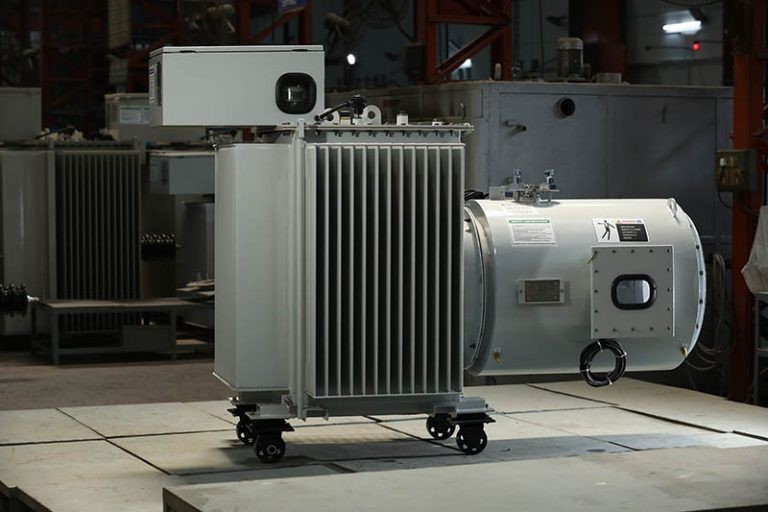
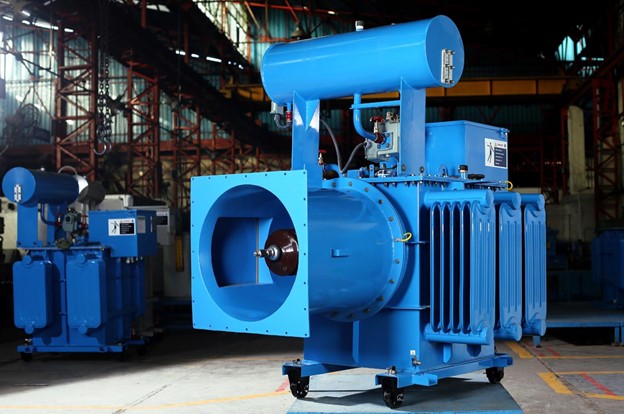
With advanced transformer rectifier systems and software integration, ESPs offer greater precision and adaptability to meet evolving environmental standards.
ADOR Powertron: A Leader in ESP Solutions
Keeping a trustworthy associate for electrostatic precipitators is essential to attaining optimal air quality. ADOR Powertron Ltd., a multinational leader in ESP technology, has set the standard with over 20,000 high-voltage transformer rectifier systems delivered across 82 nations. Their dedication to sustainability and pollution management makes ADOR a trusted enterprise member.
In essence
Electrostatic precipitators are essential in enhancing air quality in industrial environments. By efficiently catching particulate matter, they help industries decrease emissions and regulatory compliance and save the environment and public health.
Enterprise leaders like ADOR Powertron Ltd. offer inventive and trustworthy ESP solutions, helping companies attain their functional objectives while contributing to a neater, more sustainable tomorrow.
Invest in better air quality today—contact us to learn more about our advanced ESP solutions.
#ElectrostaticPrecipitator #IndustrialDustControl #AdorGroup #EmissionCompliance #ESPPerformance #sustainability #suastainablesolutions