As industries aspire to fulfill rising energy needs and environmental regulations, controlling emissions has become crucial. An emission control system is essential for reducing pollutants released into the atmosphere and ensuring industrial compliance with global environmental standards. However, implementing such a system comes with its challenges.
Devoted to global decarbonization, Ador’s expertise in emission control technologies manages the critical challenges enterprises encounter today.
Understanding Emission Control Systems
An emission control system is a technology or a blend of technologies designed to decrease toxic emissions created during industrial functions. These systems are essential for altering the release of greenhouse gases (GHGs), particulate matter, and other impurities, guaranteeing cleaner and more sustainable surroundings.
Challenges in Executing Emission Control Systems
While the advantages of these control systems are unquestionable, enterprises face several challenges when embracing these technologies:
- High Initial Costs
Advanced control systems require significant capital investment, particularly for heavy industries like steel production, cement manufacturing, and hydrogen generation. Many businesses need help to justify the upfront costs despite long-term savings and environmental benefits.
- Energy Consumption
Emission control technologies often consume additional energy, increasing overall energy costs. Balancing emissions reduction with energy efficiency becomes a key concern for industries aiming to optimize costs.
- Complex Integration
Integrating modern emission control technologies with existing legacy systems can be complex for industries. This integration requires careful planning, engineering, and ongoing maintenance to ensure compatibility and efficiency.
- Stricter Regulations
Growing environmental laws require enterprises to improve their systems consistently to remain compliant. Fulfilling these necessities while maintaining operational efficiency offers a substantial challenge.
- Equipment Maintenance
These control systems need frequent maintenance to operate effectively. Ignoring maintenance can lead to inefficiencies and inflated downtime, negatively impacting productivity.
Solutions for Adequate Emission Control
Industries must adopt innovative solutions tailored to their needs to address these challenges. Ador’s expertise in emission management provides several effective strategies:
- Advanced Power Conversion Technologies
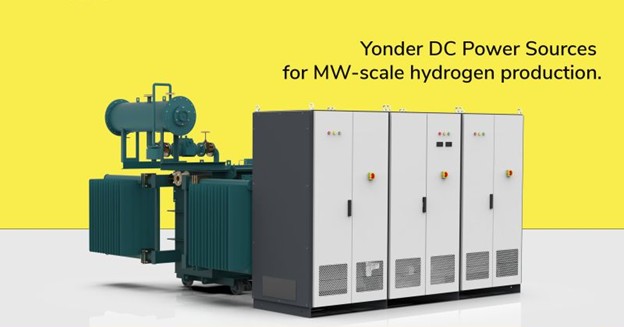
Ador specializes in power conversion units designed to enhance the efficiency of hydrogen generation systems. Integrating Alkaline, PEM, SOEC, and AEM electrolysers minimizes power consumption and reduces emissions during production processes.
- Modular Emission Control Systems
Modular designs allow businesses to scale their systems based on operational requirements. This design approach reduces initial costs and ensures flexibility for future upgrades.
- IoT and Automation Integration
Industries can monitor and manage emissions in real time by incorporating IoT and automated systems. Automatic alerts for maintenance and performance optimization decrease downtime and improve operational efficiency.
- Renewable Energy Integration
Incorporating emission control systems with renewable energy sources such as solar and wind power can significantly decrease energy expenses and environmental effects. Ador’s 500-MW manufacturing facility for hydrogen power sources exemplifies how renewable energy can push sustainable solutions.
- Compliance and Monitoring Tools
Industries benefit from tools that monitor and document emissions compliance to navigate stringent regulations. Ador’s emission control solutions have regulatory tracking systems to ensure adherence to evolving standards.
Integration of AI and Machine Learning
The incorporation of Artificial Intelligence (AI) and Machine Learning (ML) into emission control systems is transforming industrial environmental management. These technologies enable predictive analytics, allowing for real-time monitoring and forecasting of emission levels. By analyzing historical data and identifying patterns, AI-driven systems can proactively adjust operations to minimize emissions, enhance system efficiency, and reduce the risk of non-compliance with environmental regulations. This proactive approach not only ensures adherence to standards but also optimizes operational performance.
Adoption of Carbon Capture and Storage (CCS)
Carbon Capture and Storage (CCS) technologies are gaining traction as effective solutions for reducing greenhouse gas emissions in industrial settings. CCS involves capturing carbon dioxide emissions produced from industrial processes and storing them underground or utilizing them in other applications. Implementing CCS can significantly lower the carbon footprint of industries, aiding in the fight against climate change. Moreover, integrating CCS with existing emission control systems can enhance overall environmental performance and sustainability.
Embracing Renewable Energy Sources
Integrating renewable energy sources, such as solar and wind power, into industrial operations is a strategic move toward sustainable emission control. Utilizing clean energy reduces reliance on fossil fuels, thereby decreasing the overall emissions associated with industrial activities. Additionally, renewable energy integration can lead to cost savings in the long term and demonstrate a company’s commitment to environmental stewardship. This transition not only supports global sustainability goals but also positions industries as leaders in environmental responsibility.
Industries Benefiting from these Control Systems
1.Hydrogen Generation
With the rising demand for clean energy, hydrogen generation processes need robust emission control solutions. Ador’s power conversion units ensure low-emission hydrogen production, aligning with global decarbonization goals.
2.Manufacturing and Heavy Industries
From cement production to steel plants, control systems decrease particulate matter and greenhouse gas emissions, guaranteeing adherence to strict environmental laws.
3.Energy Sector
Power plants utilizing fossil fuels rely on emission control technologies like scrubbers and catalytic converters to minimize pollutants and boost purer energy generation.
4.Automotive Industry
Emission control systems, including catalytic converters and diesel particulate filters, are critical for meeting automotive emission norms.
The Future of Emission Control Systems
As industries evolve, so will the technologies driving emission control. Emerging trends include:
- AI and Machine Learning: Leveraging data for predictive maintenance and improved efficiency.
- Carbon Capture and Storage (CCS): Cutting-edge systems to catch and hold CO2 emissions.
- Hybrid Systems: Integrating traditional emission controls with renewable energy for optimized performance.
Ador: A Leader in Emission Control Solutions
With over a century of expertise in power electronics and advanced technologies, Ador is committed to driving sustainable industrial practices. Our state-of-the-art facilities in Pune and a dedicated 500-MW manufacturing facility for hydrogen power sources make us a trusted enterprise associate worldwide.
In Essence
Executing emission control systems is no longer optional—it’s essential for enterprises looking to remain competitive and environmentally accountable. While challenges exist, inventive solutions like those delivered by Ador ensure that companies can overcome them efficiently.
Industries can balance productivity and sustainability by integrating air injection systems, optimizing the combustion process, and implementing exhaust gas recirculation (EGR) systems to reduce exhaust emissions. Advanced control of air-fuel mixtures, positive crankcase ventilation (PCV) valves, and engine exhaust treatment technologies help minimize hydrocarbons, carbon monoxide, and other pollutants.
Additionally, managing emissions at the source, such as the fuel tank and carburetor, and improving internal combustion engine performance through better combustion chamber design and high-temperature efficiency, ensures cleaner operation. By enhancing the exhaust system and leveraging gas recirculation (EGR) systems to reduce exhaust gases, industries can achieve optimal engine efficiency while meeting regulatory standards. Effective evaporative emissions control further minimizes fuel vapor emissions, while reducing carbon dioxide output contributes to lower greenhouse gas emissions and environmental sustainability.
With Ador’s cutting-edge solutions, businesses can implement these technologies effectively, ensuring compliance while maintaining operational excellence
Ready to optimize your operations and decrease emissions? Contact us today to explore cutting-edge control system solutions.
#EmissionControlSystem #SustainableIndustries #PowerElectronics #Decarbonization #CleanEnergy